
Sedation Dentistry—Phillipsburg, NJ
No More Stress or Dental Anxiety at the Dentist
You don’t need a dental degree to know that many, many people struggle with dental anxiety. For some, it just makes them feel slightly nervous about their appointments, and for others, it causes them to miss out on care for years at a time. If you’re a member of either one of these groups, the team at DeMartino Dental Group can ensure you enjoy a calm and productive appointment using sedation dentistry in Phillipsburg. The safe, proven methods outlined below can calm your mind, prevent physical discomfort, and show you that going to the dentist doesn’t have to be a scary experience anymore.

Why Choose DeMartino Dental Group for Sedation Dentistry?
- Team Led by Two Highly Experienced Dentists
- Sedation Available for Any Dental Procedure
- Kind & Caring Team That Prioritizes Comfort
Nitrous Oxide Dental Sedation

You’re not alone if you feel nervous about dental visits; sources estimate that nearly 73% of American adults experience some level of anxiety around oral healthcare appointments or procedures.
But our compassionate providers understand you might be worried, and we will do all that we can to help soothe your frayed nerves. For example, our team offers nitrous oxide sedation, commonly known as laughing gas, to children and adults to help them get through their visit successfully. Read on to learn more about this service and when it might be recommended!
Who Is a Good Candidate for Nitrous Oxide?
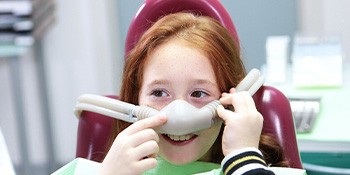
This can be a simple and effective way to help patients of all ages feel calmer and more comfortable throughout their appointment. We might suggest this service for those who:
- Fear needles
- Have a resistance to local numbing agents
- Struggle to sit still for longer periods
- Have a sensitive gag reflex
- Must undergo a lengthier or multiple treatments
- Have mild, moderate, or severe dental anxiety
This option is safe for most people if a qualified professional, like one of our Santavicca providers, administers it. However, it can pose additional risks to those with other medical conditions, such as low blood pressure or diabetes, who have a respiratory infection or sinus congestion, or who are pregnant or breastfeeding, and might not be suggested.
How Does Nitrous Oxide Work?
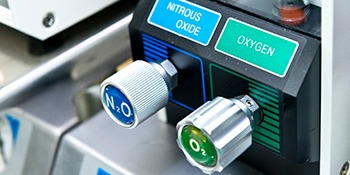
Nitrous oxide, or laughing gas, is inhaled through a mask that’s placed over your nose while we work. The effects kick in moments after you breathe it in and usually leave patients feeling relaxed, euphoric, lightweight, or tingly. You might even catch a case of the giggles, which is probably how this medication earned its more common nickname.
Laughing gas doesn’t work like a truth serum, so you don’t need to be worried that you’ll inadvertently share all your deepest secrets. It also isn’t intended to ‘put you to sleep’, though you might feel so at ease that you naturally drift off during your appointment.
Aftercare for Nitrous Oxide
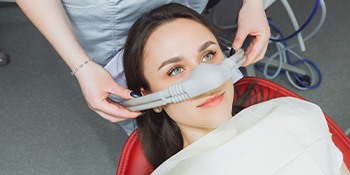
This medication usually leaves the system within minutes of removing the breathing mask, so there’s a good chance you can safely resume your usual activities and routines once your procedure is complete. You might have a hard time recalling the details of your appointment clearly, but many anxious patients consider this temporary amnesia effect to be yet another benefit of undergoing dental sedation.
We may hold you for a few extra minutes to ensure you don’t experience dizziness, nausea, or a headache before wrapping up your visit.
Oral Conscious Dental Sedation

If you could take a pill that would make all your dental anxiety go away, would you do it? Well, that’s exactly how oral conscious sedation works! You’ll be prescribed medication to take on the day of your appointment, so that by the time you sit in the chair, you’ll already be sedated. You’ll remain awake the entire time, but the appointment will fly by very quickly, and you’ll likely only have fuzzy memories of it afterward.
Types of Drugs Used for Oral Conscious Dental Sedation
Based on your level of anxiety and the type/length of procedure you need, you may be prescribed one of the following medications:
- Valium: Thanks to its long half-life, this sedative is best for time-consuming, complex procedures.
- Halcion: A common treatment for insomnia, it can also help patients feel more at ease during their appointments, plus it helps many basically forget about their experience afterward.
- Ativan: Usually prescribed for general anxiety, this medication is best for procedures that take less than 2 hours.
- Versed: This has a similar effect to nitrous oxide and is ideal for short, routine procedures.