
Invisalign vs. Braces: Which One is Best?
February 27, 2026
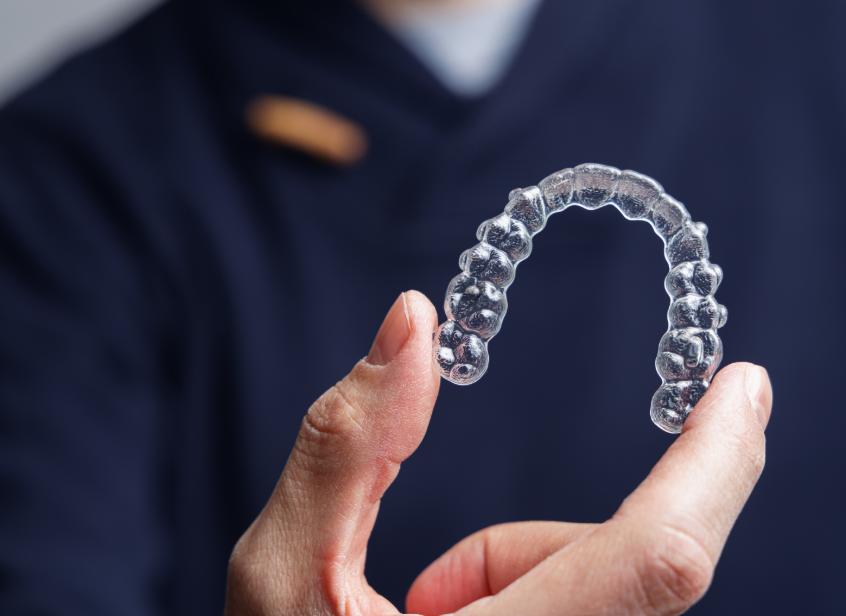
Straightening your teeth can improve both your smile and overall oral health, but choosing the right orthodontic treatment can feel overwhelming. Invisalign and traditional braces are two of the most popular solutions, each offering unique advantages and considerations. Understanding how they compare can help you make an informed decision for your smile.
Invisalign: Clear, Removable, and Convenient
Invisalign uses a series of custom-made, clear plastic aligners to gradually shift teeth into place. The aligners are removable, which makes eating, drinking, brushing, and flossing much easier than with traditional braces. Many patients appreciate the discreet appearance of Invisalign, as the trays are virtually invisible.
Treatment with Invisalign typically involves wearing each aligner for one to two weeks and attending regular check-ins with your orthodontist. Invisalign works best for mild to moderate alignment issues, such as minor crowding, gaps, or slight bite adjustments. Compliance is key—aligners must be worn for 20 to 22 hours per day for effective results.
Braces: Traditional and Highly Effective
Braces use brackets and wires attached to the teeth to apply consistent pressure and guide teeth into their proper positions. They are highly effective for more complex cases, including severe crowding, significant bite issues, or rotational corrections. Modern braces are smaller, more comfortable, and can even be tooth-colored or ceramic for a less noticeable look.
Unlike Invisalign, braces are fixed, which ensures that teeth are moving continuously without relying on patient compliance. Regular adjustments are necessary to maintain proper pressure and progress.
Key Differences Between Invisalign and Braces
When comparing Invisalign and braces, consider the following:
- Appearance: Invisalign is nearly invisible, while braces are more noticeable, though ceramic options can reduce visibility.
- Comfort: Clear aligners tend to be smoother and less likely to irritate gums or cheeks, whereas braces may cause discomfort from wires and brackets.
- Oral Hygiene: Invisalign can be removed for brushing and flossing, making hygiene easier, while braces require more careful cleaning around brackets and wires.
- Treatment Scope: Braces can address more complex orthodontic issues, whereas Invisalign may be better suited for mild to moderate alignment corrections.
- Compliance: Invisalign requires patient discipline to wear aligners as directed; braces work continuously without relying on patient action.
Choosing the Right Option for You
Ultimately, the best choice depends on your dental needs, lifestyle, and preferences. A consultation with an experienced orthodontist will help determine which treatment aligns with your goals, oral health, and comfort. Both Invisalign and braces can produce beautiful, long-lasting results when used correctly.
With the right approach and professional guidance, you can achieve a healthy, straight smile that suits your lifestyle and needs.
About the Practice
At DeMartino Dental Group, patients receive personalized orthodontic care designed to create healthy, confident smiles. Dr. Jeffrey DeMartino and Dr. Nelida Garcia-DeMartino offer both Invisalign and traditional braces, guiding patients through treatment options with clear explanations and tailored plans. By combining advanced technology, expertise, and a patient-centered approach, our practice ensures every orthodontic journey is comfortable, effective, and results in lasting, beautiful smiles.
Call us at (908) 859-5260 or schedule your appointment online.